When evaluating grinding equipment for gypsum processing, the upfront purchase price tells only part of the story. The real financial decision hinges on Total Cost of Ownership (TCO) — the sum of capital investment, energy consumption, maintenance expenses, wear‑part replacement and downtime losses over the equipment’s full service life.
This distinction is critical for gypsum manufacturers. A mill with a lower upfront price yet higher power consumption and frequent maintenance can continuously erode profits over several years. This is where the Vertical Roller Mill (VRM) consistently demonstrates its value: despite higher initial capital outlay, it delivers a lower TCO per ton of finished powder.
This article analyzes why vertical roller mills represent a more financially‑sound choice for gypsum grinding operations from several key dimensions.
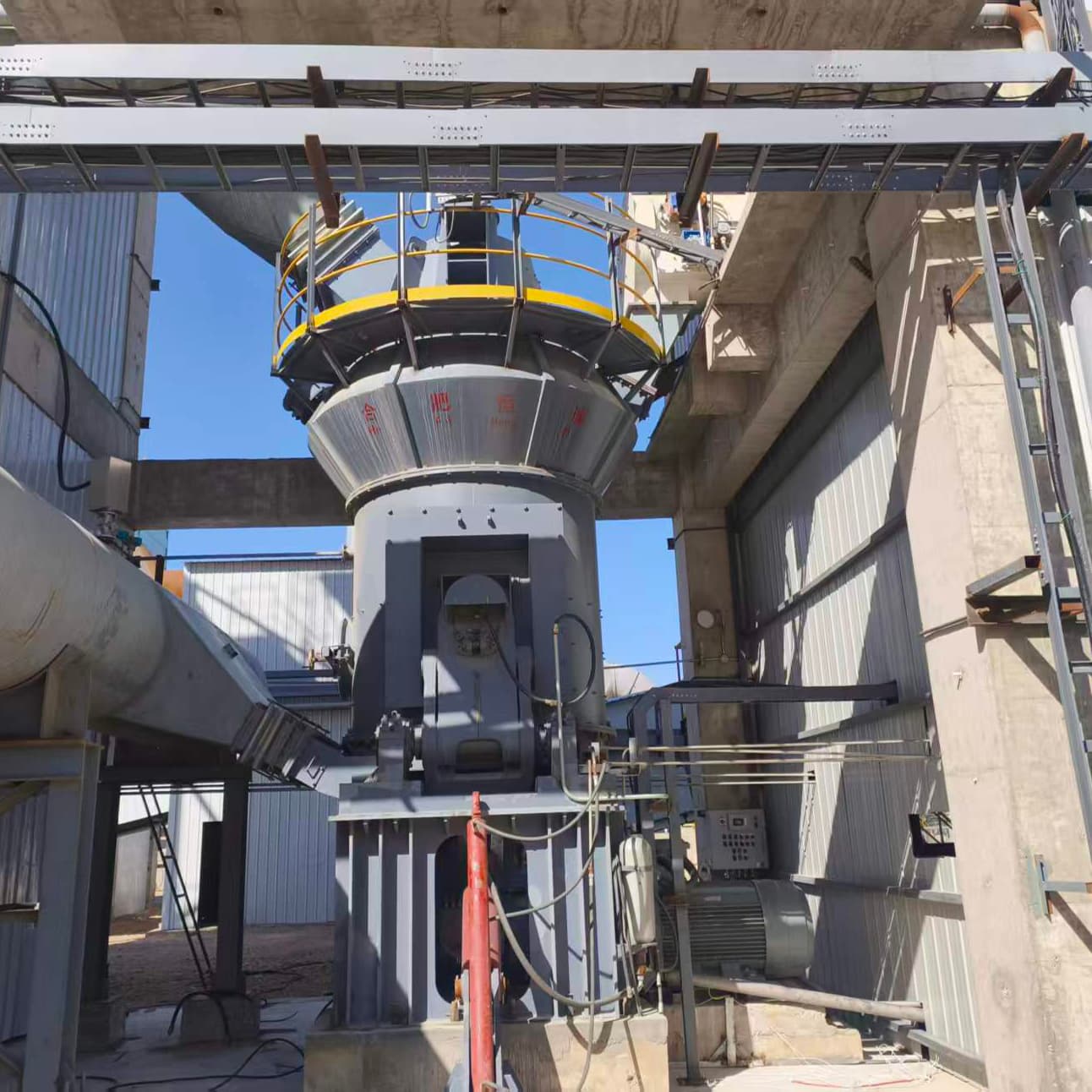
Understanding TCO of Gypsum Grinding Mills
Total Cost of Ownership covers all costs associated with owning and operating a grinding mill:
- Capital Expenditure (CAPEX): equipment purchase, civil works and installation
- Operating Expenditure (OPEX): power consumption and labor, consumables
- Maintenance & Spare Parts: wear‑part replacement, maintenance labor, downtime‑related costs
- Availability & Capacity: production stability, frequency of unplanned shutdowns
A common mistake is to compare nothing but the invoice price. Industry comparison data shows that although the upfront cost of a vertical roller mill may be 30%‑50% higher than that of a ball mill or European‑type mill, operational savings will quickly offset this gap and deliver better returns over the long‑term.
Energy-Saving Advantage:
The Largest Recurring Cost
Power consumption is typically the biggest operating cost in gypsum grinding, and vertical roller mills (VRMs) hold a decisive edge. VRMs grind material by compression and shear between rollers and table, unlike ball mills' impact-and-attrition method. This direct force application needs far less energy for the same particle size.
Data proves it: in cement grinding, ball mill plant power consumption is ~34.0 kWh/t vs. only 30.9 kWh/t for VRMs. The main motor power of a VRM is just 67% of a ball mill's at equal capacity. In gypsum applications, the advantage is even greater. Studies on LM-series VRMs show system power consumption below 15 kWh/t—30% lower than conventional mills—with main motor power of only 7–8 kWh/t.
For a 100,000 t/year gypsum project, a VRM system can save up to 1.5 million kWh annually versus a ball mill, translating into six-figure savings at typical industrial electricity rates.
Simplified Maintenance Operations
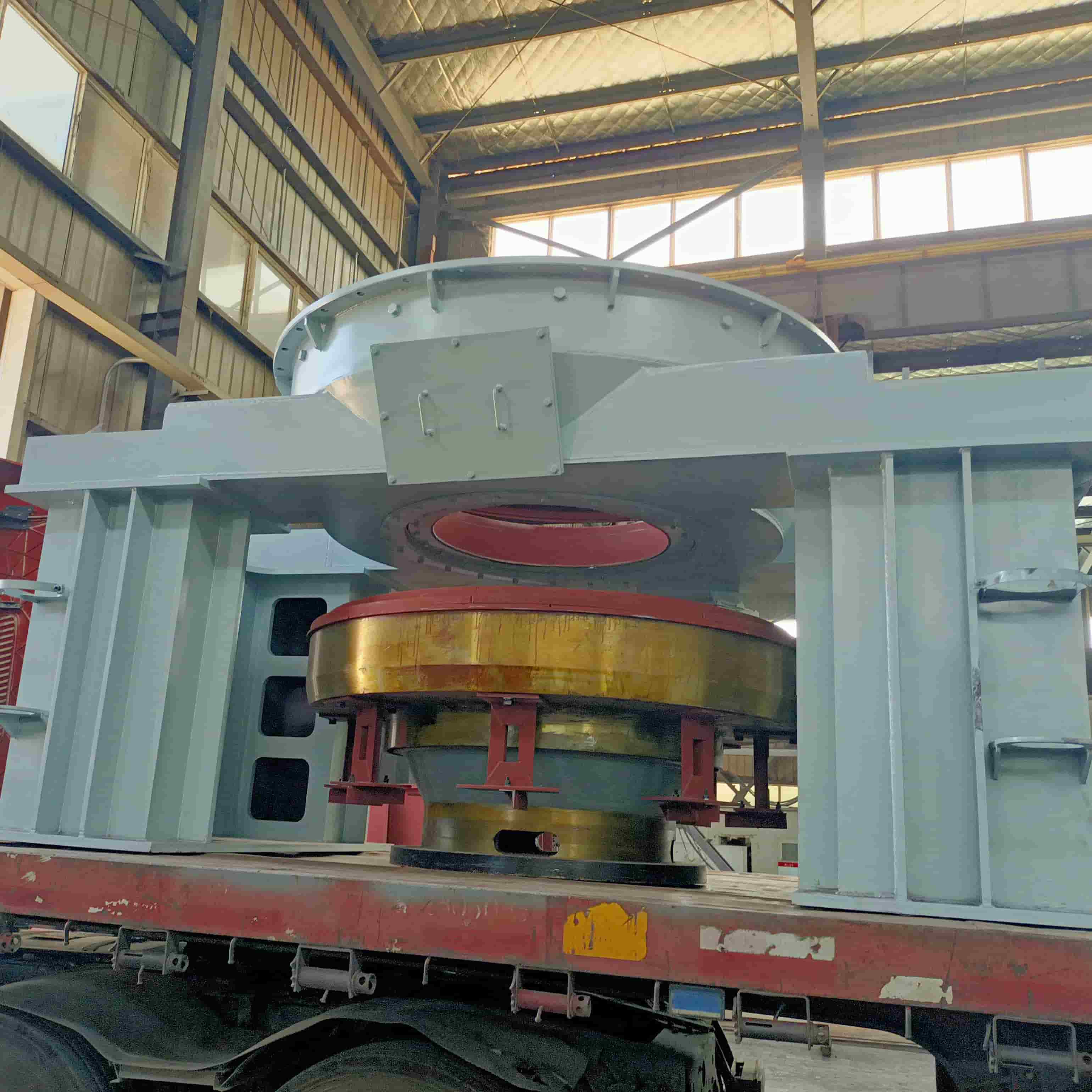
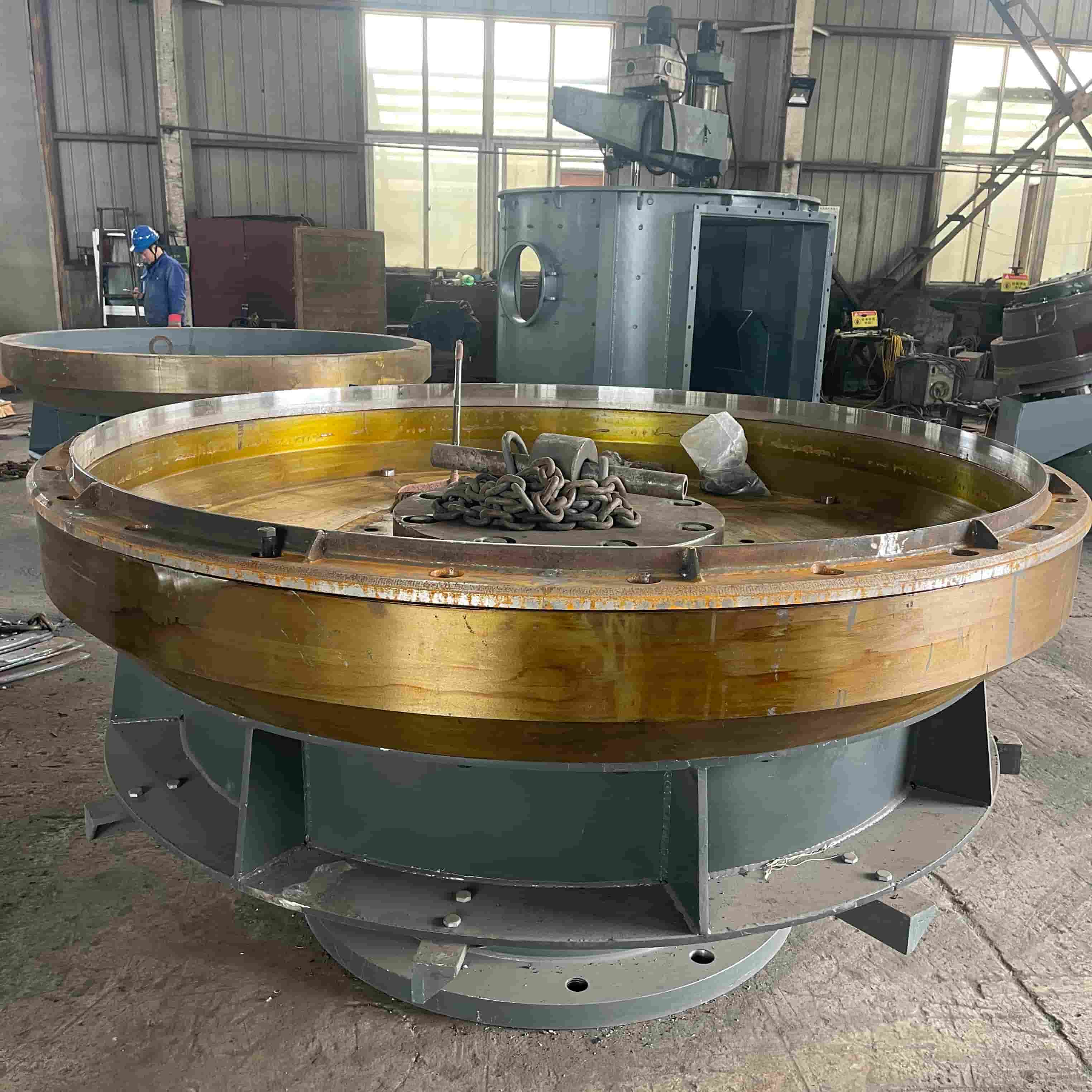
Vertical roller mills feature inherently superior maintenance accessibility compared with ball mills. Key design features are as follows:
- Roll‑out device: Grinding rollers can be swung out of the mill for maintenance without extensive disassembly.
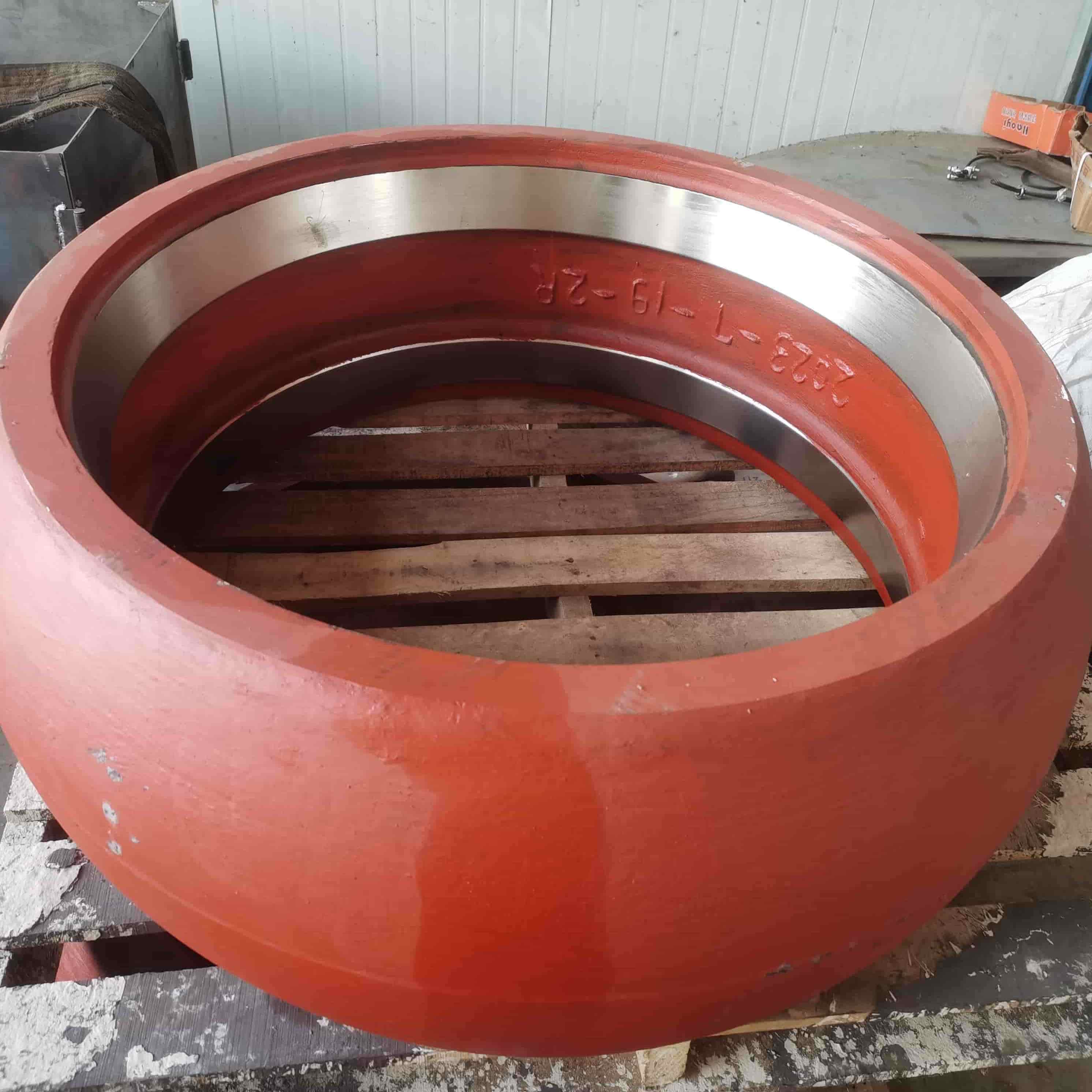
- Segmented wear parts: Individual segments can be replaced separately, without removing the complete grinding assembly.
- In‑situ hard‑facing capability: Worn roller surfaces can be re‑hard‑faced inside the mill when necessary.
- Modular design: Interchangeable components among different VRM sizes lower spare‑parts inventory requirements.
These design features reduce both labor costs per maintenance event and mill downtime. In gypsum processing, every hour of production loss directly equals lost revenue. This availability advantage builds up continuously over the equipment’s full service life.
The Capex Reality: Why Higher Initial Investment Pays Off
Yes, VRM systems typically require higher upfront capital than ball mill setups—but context matters.
Hidden System Savings
The higher equipment cost is partly offset by reduced auxiliary and civil requirements:
Compact layout: VRMs integrate drying, grinding, conveying, and classification, cutting equipment count in the circuit
Lower civil costs: Concrete foundation designs replace traditional steel structures, reducing material and installation costs
Smaller footprint: VRMs need far less floor space, lowering building costs—even enabling shed-free installation
Payback Math
For a 100,000 t/year gypsum project, the numbers are clear. Energy savings alone reach $100,000–150,000 annually versus a ball mill. Even with higher initial CAPEX, this gap typically pays back the investment in under two years—after which every kWh saved flows straight to profit.
Industry maintenance data confirms the picture: using ball mill running costs (energy + maintenance) as a 100% baseline, VRMs run at ~107%—seemingly higher, but only before separating energy savings. Isolate energy, and VRMs deliver the lowest cost per ton ground among all mill types.
Digital Optimization: Widening the TCO Gap
State-of-the-art VRMs now integrate digital monitoring and AI-driven process optimization, further cutting operating costs.
Systems like GPro CMS (Condition Monitoring System) use sensor data to catch wear or deviation early, enabling predictive maintenance and preventing unplanned downtime. AI-driven optimization has delivered concrete results:
- 12% lower specific power consumption while maintaining product quality
- 23% higher output with 6% lower specific energy in one case
- A further 5% output gain and 4% energy cut at an already-optimized plant
These digital tools reshape TCO by continuously catching inefficiencies that would otherwise go unnoticed. For gypsum producers, where energy dominates operating expenses, even 5–10% efficiency gains mean substantial annual savings.
TCO Is the Right Decision Framework
For gypsum grinding, mill selection shouldn't hinge on sticker price alone. The evidence is clear:
Energy: VRMs use 30% less power than conventional mills for gypsum
Wear parts: Longer life and easier maintenance cut spare-part costs and downtime
Availability: 90–95% uptime with redundant operation capability
Product quality: Real-time fineness control and better particle size distribution
A gypsum VRM represents higher initial investment but pays back through years of lower running costs. For long-term-minded producers—in an industry where energy costs only rise—the VRM's TCO advantage makes it the financially rational choice.
The question isn't whether you can afford the higher upfront cost, but whether you can afford to ignore total cost of ownership.