A Vertical Machining Center (VMC) is the most common type of CNC milling machine. The spindle is vertical, and the cutting tool comes down from above into the workpiece. This simple design has made VMCs the standard for general machining. Thousands of shops around the world rely on them every day. This guide explains why.
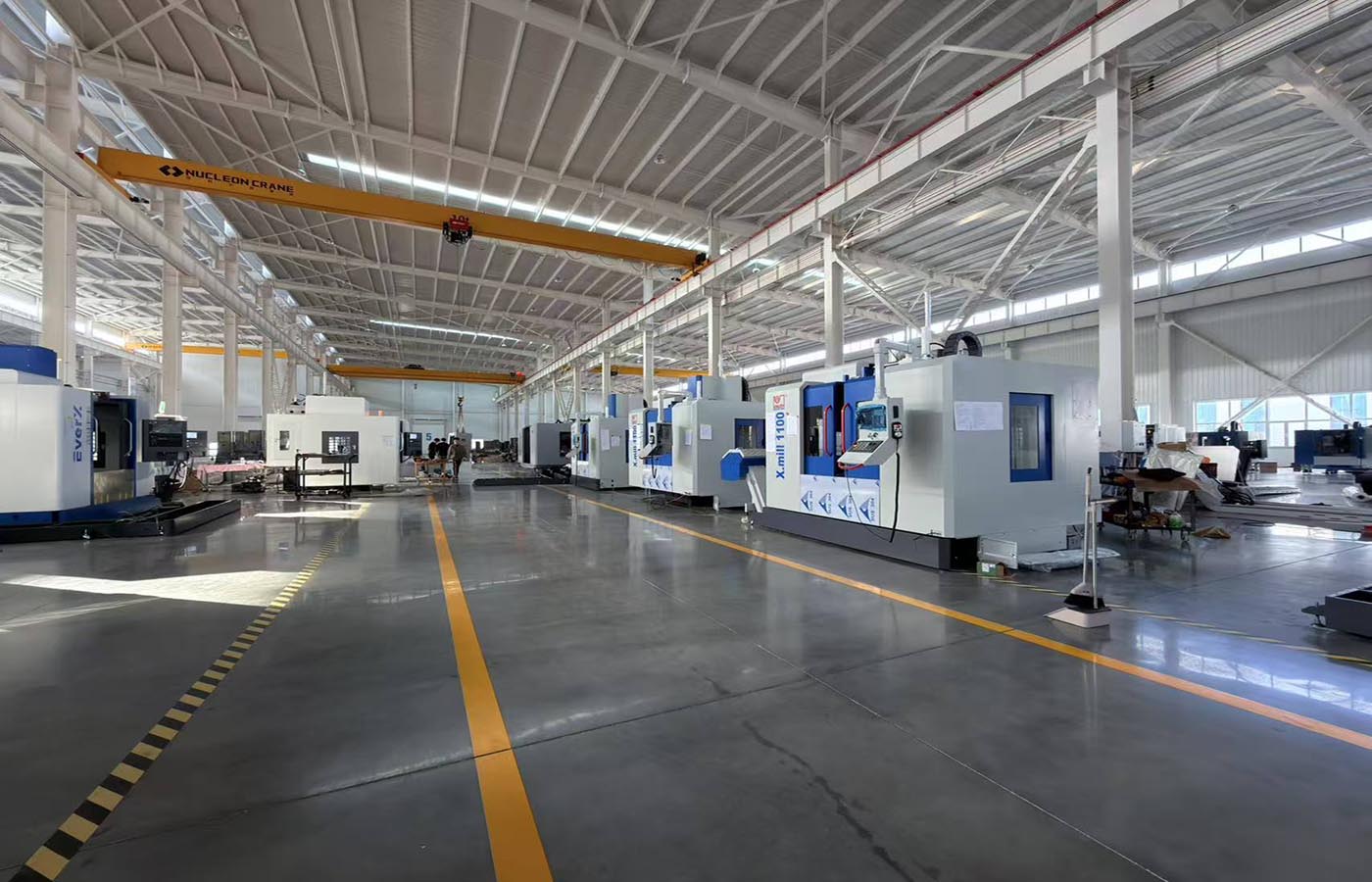
Simple and Easy to Use
The vertical design makes VMCs easy to understand and operate. Gravity helps hold the workpiece down on the table. Chips fall away from the cutting zone. The operator can see the tool cutting because nothing blocks the view. Setup is straightforward—clamp the part, set the tools, and start cutting.
For shops training new operators, VMCs are the best place to start. The learning curve is shorter than with horizontal or 5-axis machines. An operator who learns on a VMC can run most jobs within weeks.
Excellent Rigidity for Most Work
VMCs are built strong. The column and base are heavy cast iron. The spindle is supported close to the cutting action. This rigidity allows heavy cuts in steel, stainless, and other tough materials. While not as rigid as a horizontal machine, a good VMC handles the vast majority of shop work.
For most job shops, a VMC has all the rigidity needed. Only very large parts or extremely heavy cuts require a horizontal machine.
Great Visibility
The operator can see what is happening. The tool is in plain view. Coolant flow, chip formation, and tool condition are all visible. This visibility helps catch problems early. If a tool is rubbing or breaking, the operator sees it immediately.
On horizontal machines, the spindle is on its side. You cannot see the cut as well. VMCs keep the cutting action where you can watch it.
Lower Cost Than Horizontal Machines
VMCs cost less than horizontal machining centers of similar size and capability. The design is simpler, with fewer complex components. No pallet changer needed for basic operation. No chip conveyor built into the base. This simplicity keeps the price down.
For a shop on a budget, a VMC offers the most capability for the money. You get CNC control, automatic tool changing, and precision machining at a reasonable price.
Wide Range of Sizes
VMCs come in every size imaginable. Small machines fit in a garage or school shop. Large machines handle parts up to several meters long. The typical 40x20 inch table is perfect for most job shop work. Larger 60x30 inch machines handle bigger parts.
This range means there is a VMC for every application. From tiny medical parts to large mold bases, a VMC in the right size handles the job.
Chips Fall Away
Chips fall out of the cutting zone by gravity. The spindle points down, so chips drop onto the table or into the chip auger. This reduces recutting of chips, which extends tool life and improves finish.
On horizontal machines, chips can pile up on top of the part. VMCs avoid this problem naturally.