In building materials production, brick making machines are core equipment. Investors often face a choice: purchase expensive but technologically advanced new machines, or choose cheaper but riskier used equipment? This article will analyze this from both cost and technology perspectives.
I. Explicit and Implicit Cost Differences
From an explicit cost perspective, the entry barrier for new brick making machines is much higher than for used equipment. Small semi-automatic brick making machines cost approximately 10,000-30,000 yuan, while fully automatic, non-fired brick making machines with PLC intelligent control cost between 300,000 and 1,500,000 yuan. Used equipment, on the other hand, can be as low as tens of thousands of yuan, making it very attractive to small and medium-sized investors with limited funds.
However, implicit costs are often overlooked. New equipment has optimized energy consumption; for example, brick making machines using servo vibration systems can reduce energy consumption by more than 30%. Used equipment often has higher energy consumption due to aging hydraulic systems and seal failures, and the frequency of maintenance and parts replacement costs may offset the initial purchase price difference. Furthermore, advanced new brick-making machines can save 15% on labor costs by reducing manual intervention, resulting in significant long-term labor savings.
II. Technological Gap: Production Efficiency and Product Quality
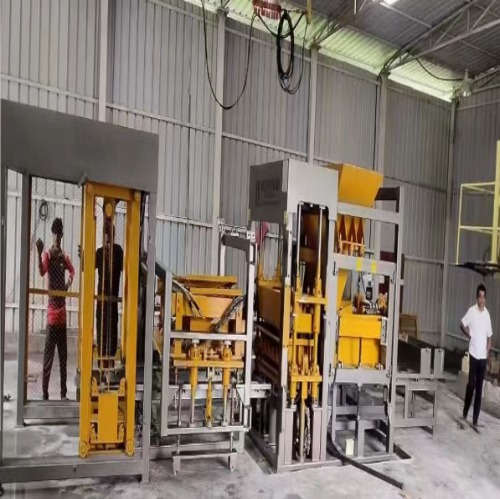
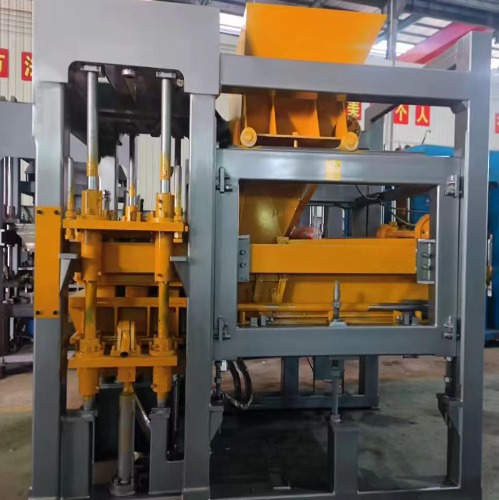
Modern new brick-making machines have achieved a technological leap over older equipment. They employ electro-hydraulic integration technology and a high-precision servo system, coupled with a German Siemens PLC and touchscreen, enabling human-machine interaction, random signal analysis, and fault diagnosis. The intelligent operating system not only reduces troubleshooting time by 30%, but also ensures uniform product density and strength through precise control. In contrast, used brick-making machines are mostly mechanical or early hydraulic types, with outdated technology leading to low production efficiency, high scrap rates, and difficulty in producing high-standard building materials.
III. Adaptability and Risks: Technical Hidden Dangers of Used Equipment
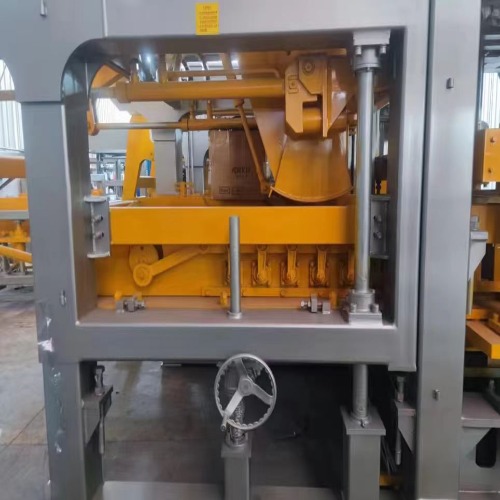
While branded used brick-making machines in good condition may still have some value, many used machines on the market have complex origins, and their echnical parameters are outdated compared to current environmental and production capacity standards. Brick-making machines, as heavy equipment, can withstand nominal pressures ranging from 1600KN to 25000KN. Core components (such as the main shaft and crankshaft) are susceptible to metal fatigue due to long-term wear, resulting in extremely high maintenance costs. Brand-new equipment, on the other hand, not only comes with a warranty but also utilizes new sealing and circulating lubrication technologies to extend its lifespan.
-
-
-
 .
.
Conclusion
Choosing a brand-new brick-making machine essentially involves exchanging a higher initial investment for long-term, stable, high-yield, and low-consumption technological benefits. For companies prioritizing capacity, quality, and long-term returns, this is a more competitive option. Used brick-making machines are more suitable for small workshops with extremely tight budgets, conducting trial production, but require accepting higher failure rates and the hidden operating costs resulting from outdated technology. Investment decisions should be based on a comprehensive consideration of capacity requirements, technological barriers to entry, and total life-cycle costs.Want to know more? Click here: https://www.yxbrickequipment.com