Abstract: The Vertical Roller Mill (VRM) serves as the core equipment of grinding systems in the construction industry, integrating drying, grinding, classification and material conveying in one unit. Starting from typical construction-industry materials including cement raw meal, slag, steel slag and coal powder, this paper sorts out the technical schemes and core advantages of vertical roller mills under different application scenarios.
I. Application Scenarios in the Construction Industry
Scenario 1: Grinding of Cement Raw Meal and Clinker
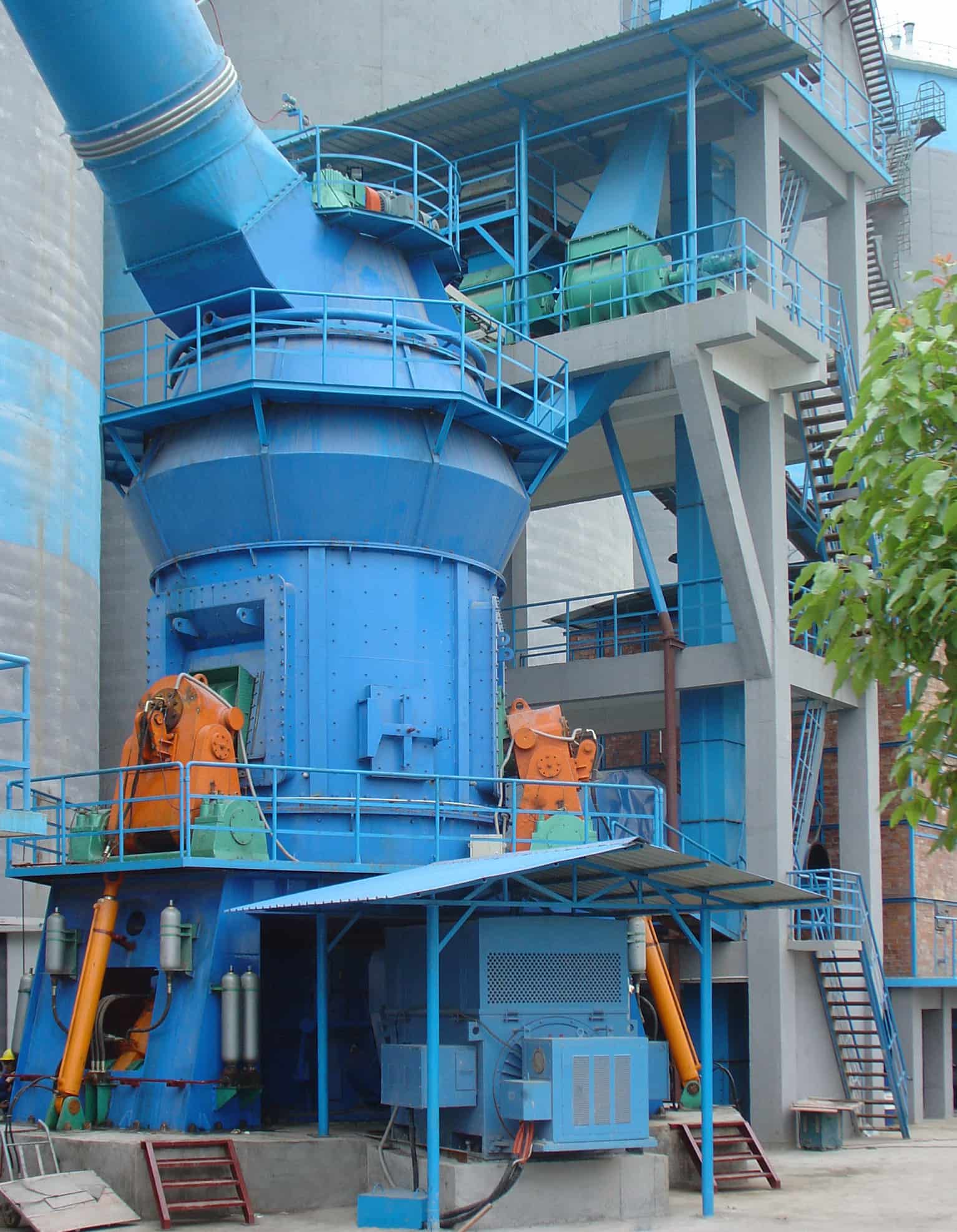
Vertical Roller Mills (VRM) are widely used in raw meal preparation and final clinker grinding sections of cement production lines. Approximately 60% of the power consumption in the cement industry is currently attributed to raw material processing and clinker grinding. Compared with traditional ball mill systems, cement grinding mill can reduce power consumption by 30%~40%. Representative applications include the 6×6000TPD cement production line project in Egypt, equipped with PFRM63.6 raw meal vertical roller mill and PFRM56.6 cement vertical roller mill.
Scenario 2: Slag and Steel Slag Grinding
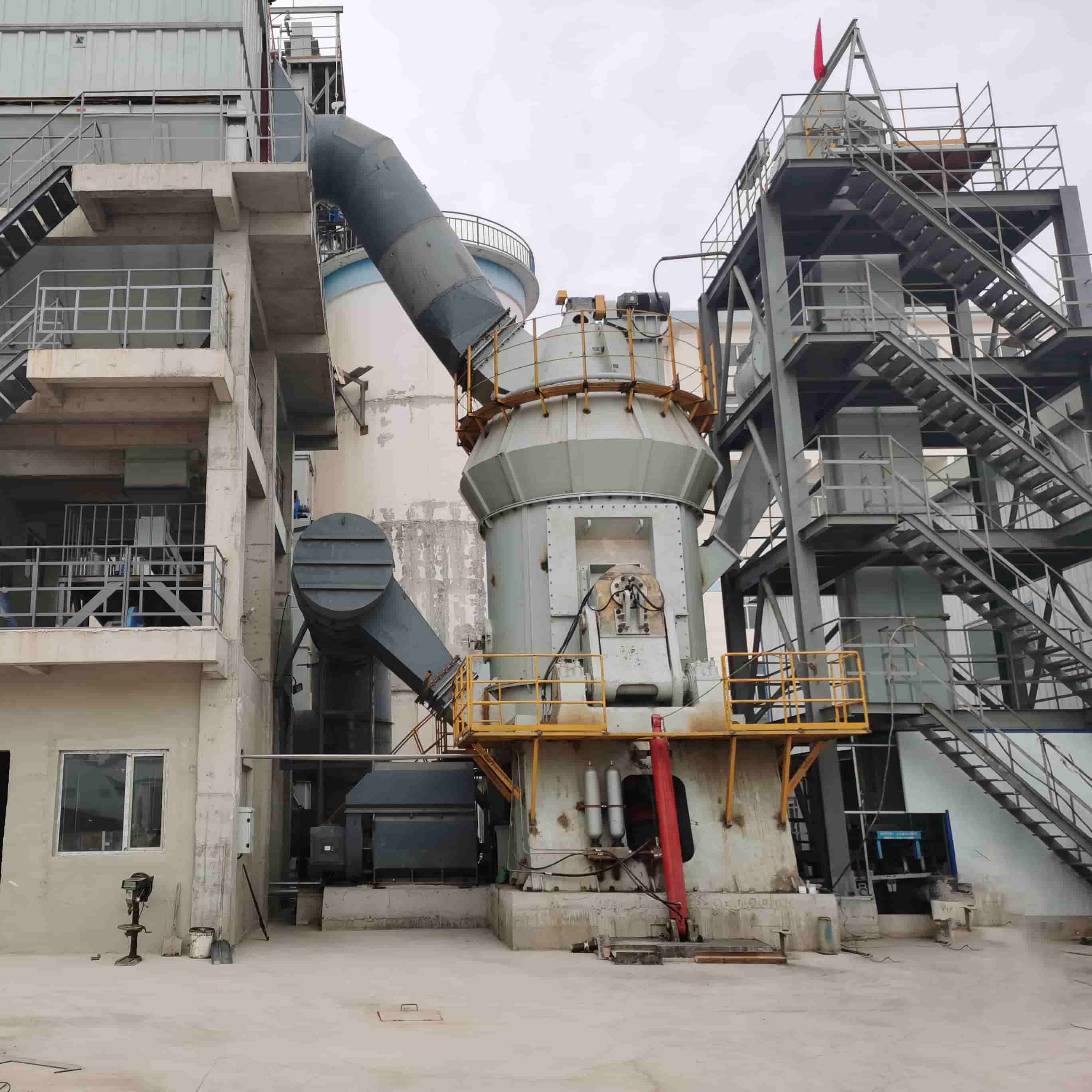
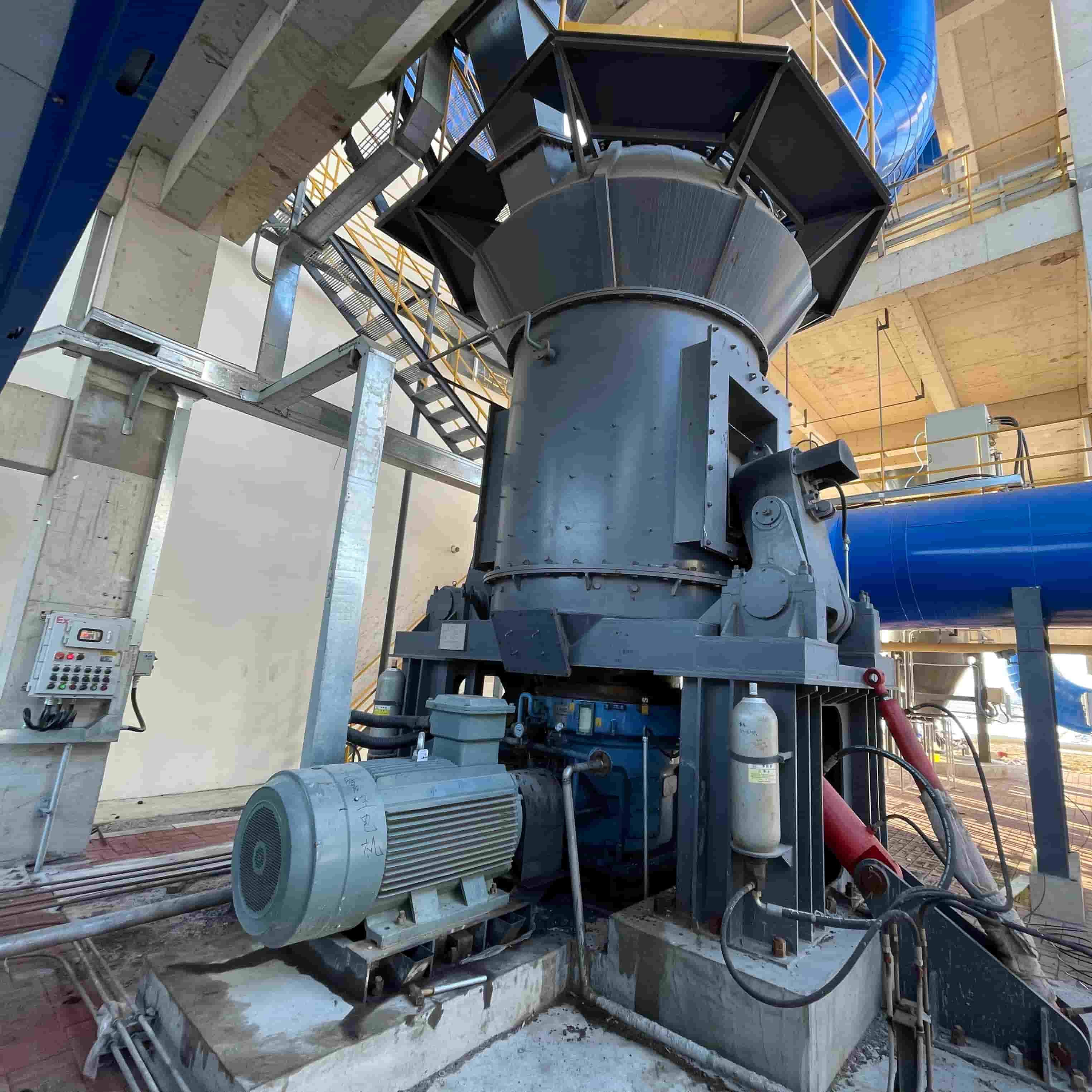
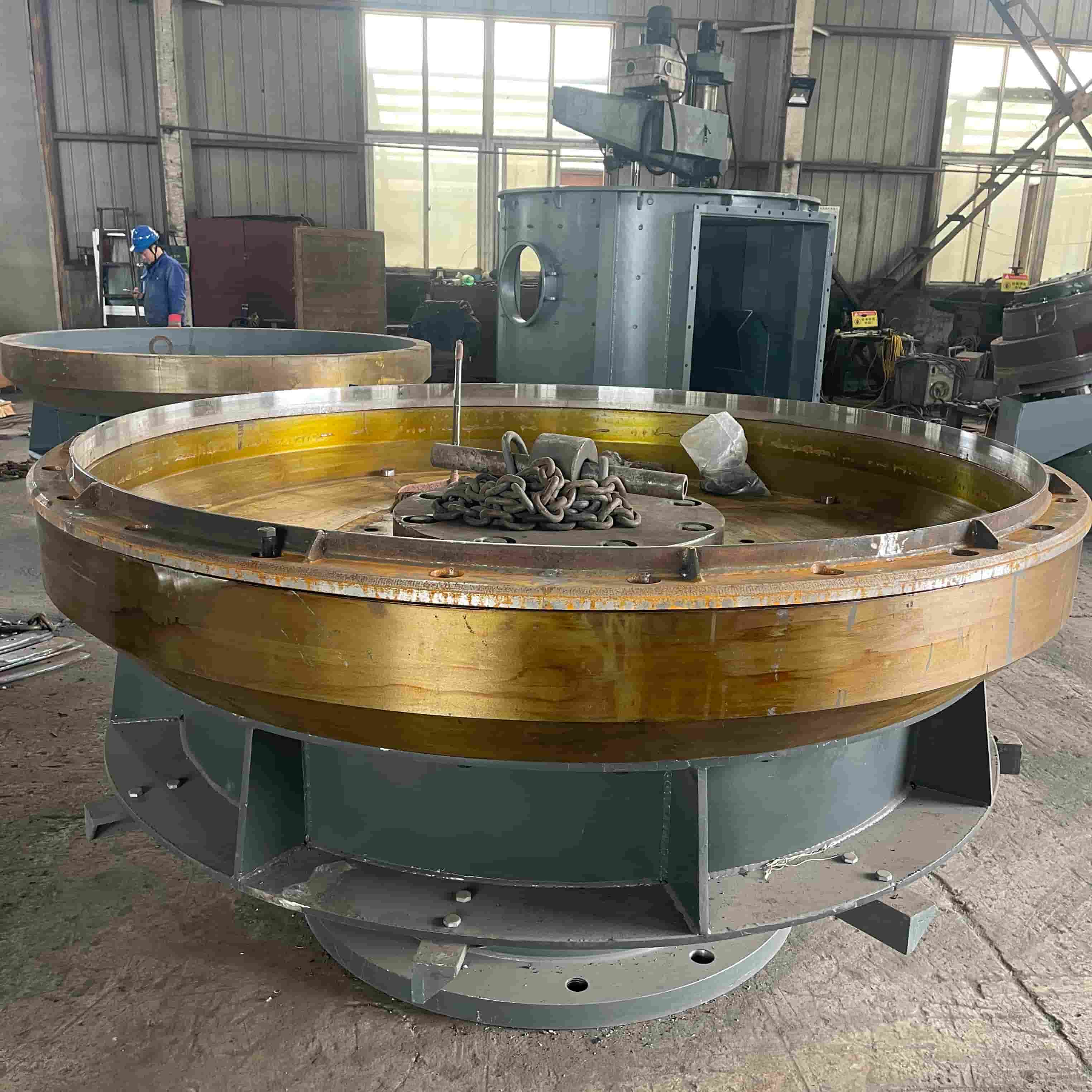
Slag and steel slag are important supplementary cementitious materials in the construction industry. When processing slag, a single slag vertical mill can meet the production demand of 300,000 to 2,000,000 tons of ground granulated blast-furnace slag (GGBS) per year. In view of the high abrasiveness of steel slag, the special vertical roller mill for steel slag reduces wear and power consumption through height adjustment of the grinding table dam ring and metallic iron discharge design.
II. Core Technical Solutions
Solution 1: Integrated Grinding System
The vertical roller mill integrates four major functions: drying, grinding, classification and conveying. Compared with conventional tube mill systems, it greatly simplifies production line layout and reduces plant floor area by more than 40%. The integrated design of hot air ducts allows high-moisture materials to be dried simultaneously during grinding.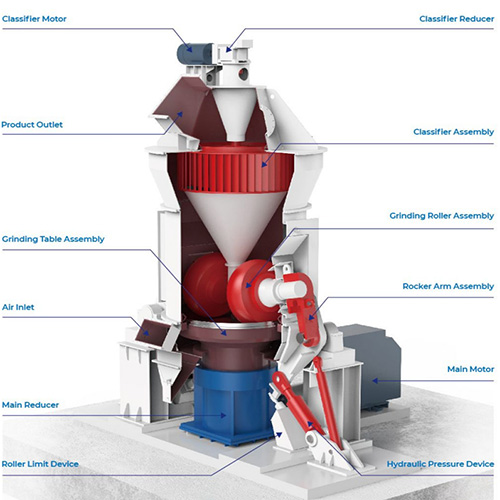
Solution 2: Modular Design
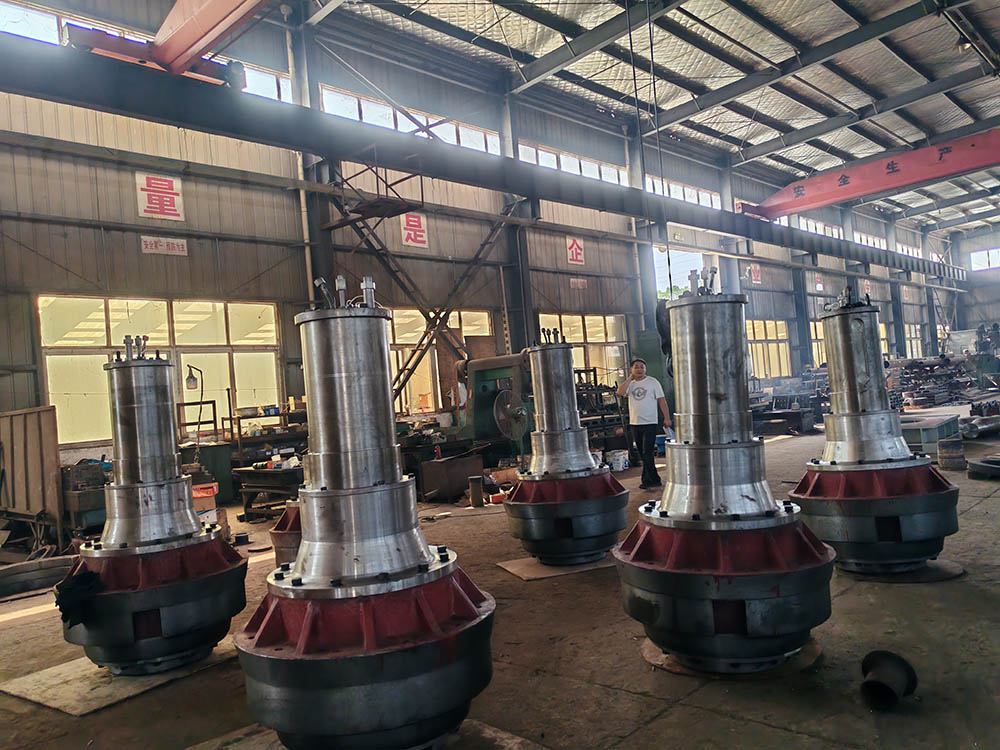
Modern vertical roller mills adopt modular design for grinding rollers and rocker arms, which shortens delivery cycles and cuts manufacturing costs. The modular structure enables maintenance of a single roller without full machine shutdown, improving equipment availability. Actual operational data shows that with the support of an intelligent control system, the mill availability can exceed 98%.
Solution 3: Energy Saving Optimization Scheme
By optimizing the layout of circulating air ducts, the installation position of Hot Gas Generator (HGG) and the design of outlet pipelines, system resistance can be reduced and heat utilization efficiency improved. Taking the TRMKS6031 vertical roller mill for cement and slag as an example, after optimization, the system air volume is reduced by approximately 6%, fan power decreases by 28%, and the theoretical heat consumption is lowered by 15%~20%.
III. Key Performance Indicators
| Indicator | Typical Data |
| Single-unit Capacity | 5~600 t/h |
| System Power Consumption | 15~50 kWh/t |
| Wear Parts Service Life | 8,000~12,000 h |
| Power Saving Range (vs. Ball Mill) | 30%~40% |
| Cement Particle Sphericity | >0.73 |
IV. Intelligent Development Direction
Intelligent application of vertical roller mills is becoming an industry trend. By installing vibration, temperature and pressure monitoring points on key components, the remote diagnostic service system transmits real-time data to the central control room and remote expert platform. Combined with artificial intelligence algorithms, the system enables online equipment condition monitoring, intelligent early warning, process optimization recommendations and predictive fault diagnosis. AI-based parameter optimization for vertical roller mills has been verified in the grinding of pozzolan and GGBFS, which can reduce the specific power consumption of mills and fans by 7%~12%.